Paris - Eine Welt für sich
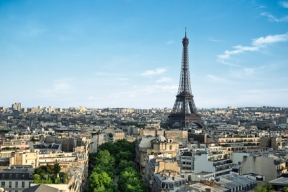 Paris, das ist die Kulturhauptstadt Europas. Wer kennt nicht das famose Louvre, in dem die Mona Lisa ausgestellt ist, wer wollte nicht schon einmal Van Goghs Kunstwerke im Museé d´Orsay bewundern? Dazu gibt es die vielleicht berühmteste Straße der Welt, den Champs-Élysées und den mächtigen Eiffelturm. Doch Paris bietet noch viel mehr. Besonders die einzigartige Lebensart in Paris ist ein Erlebnis. Kommen Sie mit auf eine Reise durch eine der faszinierensten Städte der Welt!
Die Seine fließt ruhig durch die Stadt, kunstvoll gestaltete Brücken erstrecken sich über die Gewässer und erhaben thront die imposante Kathedrale von Notre Dame über dem Bild. Während tausende Touristen über den großen Vorplatz strömen, gibt es wohl nichts schöneres, als in einem der tausend kleinen Cafés am Wasser einen Café zu trinken.
Das Leben pulsiert in der Metropole, aber dennoch strahlt die Stadt eine erhabene Ruhe aus; sie ist alt, sie ist erfahren. Über Jahrhunderte haben die bekanntesten Künstler der Welt in der Hauptstadt Frankreichs gewohnt, sie galt schon immer als Ort für die beste Musik, das beste Theater, das beste Essen. Diesen Ruf hat sie bis heute nicht verloren. Paris ist wie eine alte Dame – weise, reich, stolz.
Wer durch die Straßen von Paris schlendert, kommt aus dem Staunen nicht mehr heraus. Eindrucksvolle Architektur gibt es an jeder Straßenecke. Dazwischen erstaunt eine Mixtur aus gestressten Geschäftsleuten, fotografierenden Touristen und dem typischen, eitlen Parisern, die in einem Café bei teurem Wein das Weltgeschehen durchschauen. Die Stadt ist so abwechslungsreich wie kaum eine andere Metropole. Wer sich zum postmodernen Centre Pompidou begibt, finden dort die dreadgelockte Jugend, die bei Marihuana die Freiheit der Welt besingt. Besteigt der Besucher den Berg zum Künstlerviertel Montmartre, erwarten ihn tausende weltreisende Künstler, die in den Straßen Paris´ ihr Glück versuchen und das gesamte Viertel in eine Kunstausstellung verwandeln. Nur ein paar Meter entfernt erhebt sich die Basilika Sacré-Cœur über die Stadt und gibt einen beeindruckenden Blick auf die Millionen Menschen unten frei, die Paris zu dem machen, was es ist – Die vielleicht lebendigste und vielfältigste Stadt der Welt.